Introduction
Area 51 has long been shrouded in mystery, fueling conspiracy theories, UFO sightings, and classified government projects. But what’s the real story behind this infamous military base? This blog delves into its origins, its Cold War significance, and the ongoing secrecy surrounding its operations.
The Birth of Area 51: A Cold War Necessity
During the 1950s, U.S. intelligence faced a significant challenge—conducting reconnaissance missions over the Soviet Union without being detected or shot down. The need for high-altitude surveillance aircraft led to the development of the top-secret Project Aquatone, which required a remote testing facility.
In 1954, President Dwight D. Eisenhower authorized the creation of this classified program, leading to the selection of a secluded location in the Nevada desert: a dry lake bed near Groom Lake. This site, far from civilian access and prying eyes, became known as Area 51.
Why “Area 51”?
The name “Area 51” has an unclear origin, but one theory suggests it comes from its proximity to the Nevada Nuclear Test Sites, which were divided into numbered sections by the Atomic Energy Commission. Since the military was already familiar with the area for weapons testing, it was an ideal choice for experimental aircraft trials.
U-2 Spy Plane and the UFO Connection
One of the first aircraft tested at Area 51 was the U-2 spy plane, designed to fly above 60,000 feet—far beyond the reach of conventional aircraft at the time. In contrast, commercial airliners flew at 10,000 to 20,000 feet, while military jets typically operated around 40,000 feet.
Because civilian and military pilots were unfamiliar with such extreme altitudes, many mistook the U-2 as an unidentified flying object (UFO). The sudden rise in UFO sightings in the mid-1950s can be directly linked to these test flights. However, Air Force officials, bound by secrecy, could not disclose the existence of the U-2 program and instead dismissed the sightings as weather phenomena or high-altitude research balloons.
Area 51’s Role in Advanced Military Aircraft
While U-2 testing ended in the late 1950s, Area 51 continued to serve as a hub for cutting-edge aerospace development. Some of the most notable aircraft tested at the facility include:
- F-117A “Nighthawk” – The world’s first operational stealth aircraft.
- A-12 “Oxcart” – A high-speed reconnaissance plane and predecessor to the SR-71 Blackbird.
- Northrop Tacit Blue – A prototype for stealth technology advancements.
Government Secrecy and the Official Acknowledgment
For decades, the U.S. government refused to acknowledge the existence of Area 51. It wasn’t until 2013—with the release of declassified CIA documents—that officials formally recognized the base. However, the exact nature of current projects at Area 51 remains a closely guarded secret.
Modern-Day Mystery: What Happens at Area 51 Now?
Even today, no one knows exactly what occurs inside Area 51. Theories range from the development of next-generation aircraft to reverse engineering extraterrestrial technology.
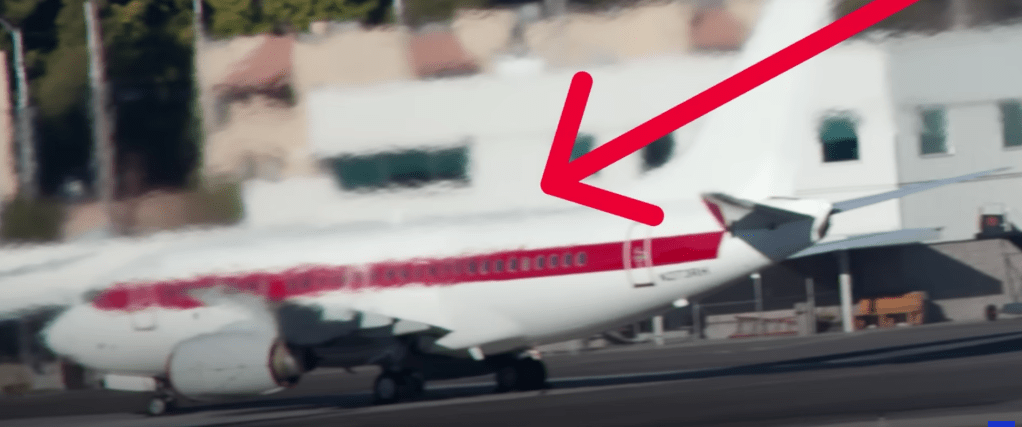
If you ever find yourself at Las Vegas McCarran International Airport, you might spot small, unmarked passenger planes in a fenced-off area. These are Janet Airlines, the covert airline that transports Area 51 employees to and from work.
Final Thoughts
Area 51 remains one of the most secretive locations in the world, its purpose continually evolving with advancements in aerospace and defense technology. While UFO enthusiasts continue to speculate about extraterrestrial activity, the undeniable truth is that Area 51 has played a pivotal role in U.S. military aviation history.
 findityourself
Leave a comment